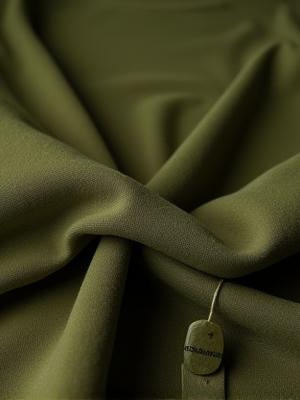
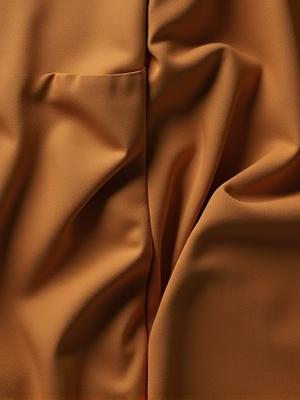
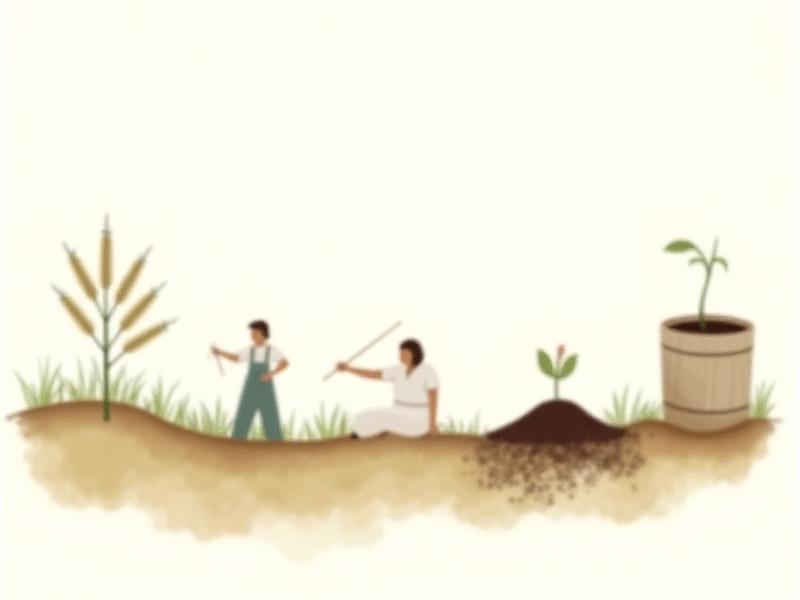
Illustrated lifecycle of a garment from plant to fabric, to wear, to compost, returning to soil, highlighting the biodegradability of HANK A ALBERS clothing
The complete, circular journey of our compostable garments.

Designed to Disappear

What happens to your clothes when you're done with them? Ours can return to the earth.

Clothing with a clean conscience and a clean end.

At HANK A ALBERS, we envision a wardrobe that harmonizes with nature's rhythm. Our biodegradable and compostable fashion is meticulously crafted from earth's finest-natural fibers, ensuring that each piece, at the end of its long, well-loved life, can gracefully return to enrich the soil. This is not just clothing; it's a commitment to a truly circular existence.

From Earth, To Earth.
What Makes a Garment Compostable?

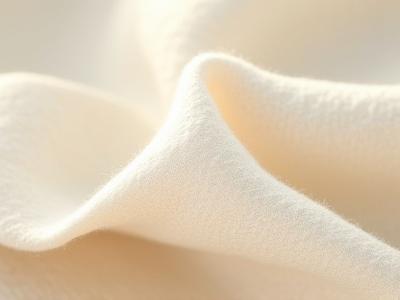
Close-up of natural linen fabric weave, showing texture and organic fibers
100% natural, plant-based fabric like linen, hemp, or organic cotton.

The Fabric: 100% Natural Fibers

We handpick only pure plant-based materials: luxurious linen, resilient hemp, and soft organic cotton. Absolutely no synthetic blends, polyesters, nylons, or spandex enter our creations, upholding our promise of earth-friendly fashion.

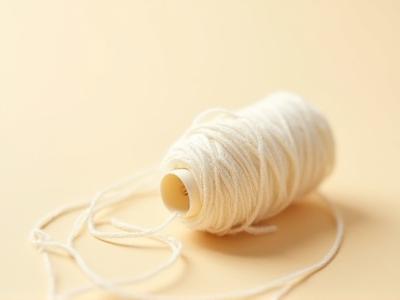
Coil of natural undyed cotton sewing thread, strong and textured
Durable and biodegradable 100% cotton thread.

The Thread: Pure Cotton

Often overlooked, thread is crucial. We exclusively use 100% cotton thread, which, unlike common polyester alternatives, naturally breaks down, ensuring the entire garment can safely return to the soil.

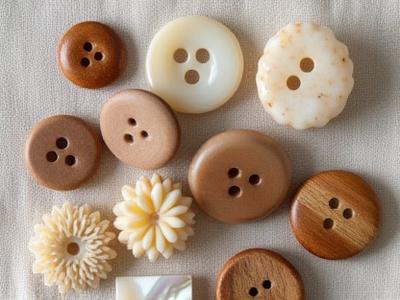
Collection of natural buttons made from wood and corozo nut on a linen cloth
Plastic-free buttons made from wood, corozo nut, or shell.

The Notions: Plastic-Free

Our commitment extends to every detail. Instead of plastic, we opt for biodegradable buttons crafted from natural wood, corozo nut, or sustainably sourced shell, ensuring even the smallest components are earth-friendly.

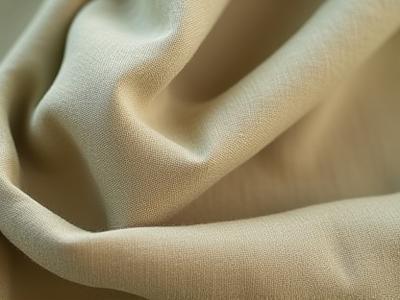
Textured fabric swatch with subtle, earthy natural dye swirls
Fabric dyed with non-toxic, eco-certified dyes.

The Dyes: Non-Toxic

Color should not compromise health. We prioritize natural dyes derived from plants, or certified OEKO-TEX dyes, ensuring our vibrant palettes are free from harmful chemicals and safe for both you and the earth.

Earth-Friendly Garments

Model wearing a simple, elegant knee-length linen dress in natural beige, with a small '100% Biodegradable' badge

The Prairie Sun Dress

Effortlessly elegant, 100% linen.

100% Biodegradable View Details
Close-up of a sustainably made hemp tunic in a muted green, with '100% Biodegradable' badge

Harvest Hemp Tunic

Comfortable, durable, eco-friendly.

100% Biodegradable View Details
Organic cotton relaxed-fit trousers in earthy brown, with '100% Biodegradable' badge

Gardener's Cotton Trousers

Soft and breathable organic cotton.

100% Biodegradable View Details
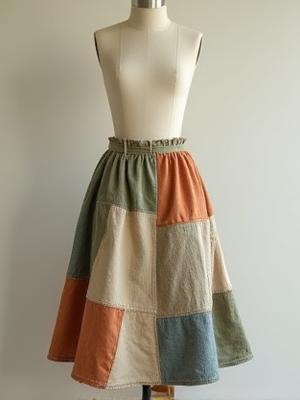
Artistic patchwork skirt made from various natural fabric scraps, displaying '100% Biodegradable' badge

Prairie Patchwork Skirt

Unique design, zero waste concept.

100% Biodegradable View Details

How to Compost Your Clothing

1.

Prepare Your Garment

When your beloved HANK A ALBERS garment has truly reached the end of its wearable life, first, remove any non-compostable labels or embellishments (though we strive to make everything compostable). Then, cut the fabric into smaller pieces (about 1-2 inch squares) to accelerate the decomposition process.

2.

Add to Your Compost Bin

Integrate the cut fabric into your home compost pile. Treat them as 'brown' materials, much like dried leaves or cardboard. Ensure a good balance with 'green' materials (like food scraps) for optimal decomposition. Burying them deeper in the pile can help maintain moisture and heat.

3.

Let Nature Work Its Magic

Regularly turn and aerate your compost to encourage microbial activity. With proper care, your natural fiber garments will slowly break down, becoming rich, nutrient-dense compost for your garden. This beautiful process completes the circular journey, returning valuable resources to the earth.

For quicker results or if you don't have a home compost, consider checking for local industrial composting facilities that accept natural textiles.